Purple Rain – Prince and The Revolution.
Amongst fellow musicians Prince is known as a multi-instrumentalist with a flamboyant stage presence which almost came across as alienated, because he was a very prodigious individual. The album resulted as much denser within comparison to his previous one-man albums, this time round there is more emphasis upon full band performances alongside multiple layers of guitars, keyboards, deep electronic synthesizer effects, drum machines and many other bizarre instruments.
The result of ‘Purple Rain’ is a somewhat successful combination of genres like:
It is almost effortless and incidental of the very idea of the myriad genre itself… Musically most of the tracks off the album are generally regarded as the most pop-orientated of Prince’s career although several key elements point towards the more experimental records Prince went ahead to release and produce after ‘Purple Rain’.
In addition to the album’s breakthrough sales at the time, music critics noted the very innovative and highly experimental aspects of the soundtrack’s music, for example upon the spare, bass-less track titled “When Doves Cry”.
On its own the piece set out against the hyperactive American backbeat at the time which was reminiscent of the latter-day rock and the predominant features of Prince as a Musician. Other aspects of the music especially its synthesis of the key use of electronic elements alongside the organic instrumentation and full-band performances some were even recorded live.
However, ‘Purple Rain’ stuck to its roots in the R’n’B section of Prince’s previous works while still being able to demonstrate a much more detailed hard rock feel in its smooth grooves and pushing guitar craftmanship. ‘Purple Rain’ was the first Prince album recorded officially alongside his backing group, ‘The Revolution’. He teased this name two years earlier on his album called ‘1999’ with the writing “and The Revolution” backwards on the album cover. The Revolution has always been performing and recording with Prince without an established name from the beginning.
During the same year of its release, the album won a Grammy for the best rock-vocal performance by a duo or group with vocals. The four composers (Nelson, Coleman, Prince and Melvoin) won the best score soundtrack for visual media. The album ‘Purple Rain’ also won an Oscar for the best original song score in 1985. As of 2008, the album has sold over 25 million copies worldwide, making it one of the best-selling albums of all time and the third best-selling soundtrack of all time.
In 2012, the album was added to the library of Congress’ national recording registry list of sound recordings “that are culturally, historically, aesthetically important”.
Prince wrote all the songs on the album with some input of his fellow band members. ‘I Would Die 4 U’, ‘Baby I’m a Star’ and ‘Purple Rain’ were all recorded live from a show that took place upon the third of August in 1983 at the First Avenue Club in Minneapolis, not to mention the overdubs and edits that were added later.
This show was a benefit concert for the Minnesota Dance Theatre and it also featured the first appearance of guitarist Wendy Melvoin in The Revolution.
Prince was further established as a figurehead for pop music during the 1980’s. All five singles off the album became worldwide hits along with the huge success of the movie with the same name as the album and tour. With this album alone, Prince has become one of the biggest and most recognised music artists worldwide.
The whole concept behind ‘Purple Rain’ was to showcase Prince’s many talents.
Musically, most of the tracks off ‘Purple Rain’ are generally regarded as the most pop-orientated of Prince’s career, although several key elements lean towards more experimental records. Prince then went ahead to release and produce after ‘Purple Rain’.
In addition to the album’s breakthrough sales at the time, music critics noted the very innovative and highly experimental aspects of the soundtrack’s music. A good example of this would be the spare, bass-less track titled ‘When Doves Cry’. This track alone set out against the hyperactive American backbeat, which at the time was reminiscent of the latter-day rock and the predominant features of Prince as a musician.
The sold-out show, which raised $23,000 for the company, was also his first appearance in his home town since his triumphant 1999 tour, which ended in April. During which he reached the top 10 in the albums and single charts for the first time and it also made the hard-fought leap to becoming an A-list popstar. At the event there was significant coverage, enough to grab the attention of The Rolling Stone, which covered the performance in its ‘Random Notes’ section.
They noted that “the mini-skirted Wendy” had replaced the previous guitarist Dez Dickinson, the item said that Prince and his band “swung into a ten song (actually eleven) act, including new tracks entitles ‘Computer Blue’, ‘Let’s Go Crazy’, ‘I Will Die For You’, ‘Electric Intercourse’ and a cover of Joni Mitchell’s ‘A Case Of You’. Then he encored with an anthemic and long new one called ‘Purple Rain’. Prince looked toned up from workouts with the Minneapolis choreographer John Command, who’s plotting the dance numbers for the film Prince has dreamed up.
Prince hadn’t necessarily planned on using the First Avenue recordings on the actual album, but when he listened back to the tapes, he found that some of the new songs sounded good, in both performance and audio quality.
Incredibly, not only “Purple Rain,” but also two other songs that were debuted that night—”I Would Die 4 U” and “Baby I’m a Star”—wound up being used on the final Purple Rain soundtrack (though the others were reworked more extensively than the title song was). The show gave a major running head start to a film project that continued to seem like a pipe dream to most of the people involved. To the musicians, it still wasn’t clear where the whole thing was headed.
Almost exactly one year later, on July 28, 1984, Purple Rain opened in 900 theaters across the United States. It made back its cost of $7 million in its first weekend and went on to clear nearly $70 million at the box office. The soundtrack album has sold more than 20 million copies worldwide and spent 24 consecutive weeks at Number One on Billboard’s album chart. It won two Grammys and an Oscar and included two Number One singles (“When Doves Cry” and “Let’s Go Crazy”) and another, the title track, that reached Number Two.
In retrospect, maybe the Purple Rain phenomenon seems inevitable. Prince was the greatest pop genius of his time—on a very short list of music’s most gifted and talented figures—and it was just a matter of his finding the platform that would translate his amazing abilities to a wider audience. Yet, when you look closer, the fact that the Purple Rain movie got made at all is hard to imagine and very difficult to explain to others, and as a result of many extraordinary leaps of faith on the part of virtually everyone who took part within the production.
Prior to this release, Prince was nowhere near a household name: While he had established himself in the R&B community, he had just one album that could be considered a mainstream hit, and no singles that had peaked above Number Six on the pop charts. He was also shrouded in mystery, surrounded by rumors about his ethnic background and sexual preference, and had completely stopped talking to the press as of the release of his previous album, 1999.
Every pop star presumably has some feelings of ambivalence about his or her biggest moment or defining hit. It immediately becomes both an obligation whenever you perform and the marker of a career pinnacle that, by definition, you can never match. Prince had a long run as one of the most successful musicians in the world and can still sell out an arena pretty much whenever he wants to. He’s had an impressive half-dozen records certified two- to four-times platinum, with 1999 (which predated Purple Rain) highest on that list, but he has never had an album with sales close to Purple Rain’s 13 million in the US. Indeed, he once described Purple Rain as “my albatross—it’ll be hanging around my neck as long as I’m making music.”
Whatever his feelings about the legacy of Purple Rain, though, Prince has always kept its songs front and center in his shows—especially the title song. It has served as the pinnacle of most of his concerts, including his 2007 Super Bowl halftime show in Miami, which was seen by 93 million people in the US alone and is generally considered the gold standard of all performances at sporting events.
From all of Prince’s groundbreaking work, it is Purple Rain that endures it first and foremost. It will always be the defining moment of a magnificent, fascinating and often erratic career for any artist that manages to recreate Prince’s sheer success. Its success, on screen and as a recording, was a result of the supreme confidence, laser-focused ambition, and visionary nature of the most gifted artist of his generation.
Dancing on the line between fact and fiction, Prince utilized his mysterious persona to hyper-charge the film’s story with tension and revelation. He let us in — only partway, certainly not enough to rupture his myth, but more than he ever did before or since. Defying all odds, a group of inexperienced filmmakers and actors, working against the clock and against the brutal Minneapolis weather, clicked for just long enough to make a movie that the public was starving for, even if they didn’t quite know it at first.
Purple Rain came along at precisely the right moment — not just for Prince himself, but for the culture that surrounded the album at the time. The summer of 1984 was an unprecedented season, a collision of blockbuster records and the ascension of music video that created perhaps the biggest boom that pop will ever experience. It was also a time of great transformation for black culture, when a series of new stars, new projects, and new styles would forever alter the racial composition of music, movies, and television.
While the sheer excellence of Purple Rain’s songs remains clear 30 years later, the album and the film were in sync with the time and place in which they were created, and their triumph was partly the result of impeccable timing and circumstances that could never be repeated or replicated.
This morning I came in early to receive my report on my work for the last term, which was confusing, but I eventually got my head around it. I’m proud for what I have achieved so far, but I know I can do so much better.
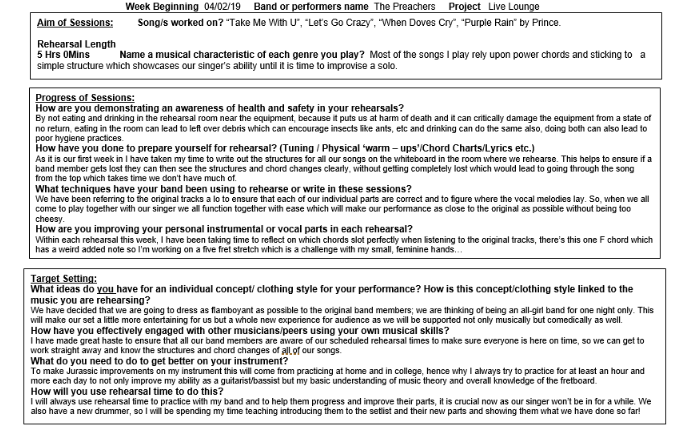
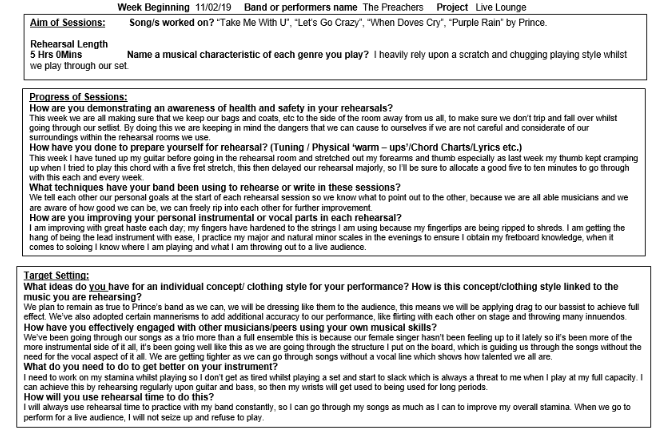
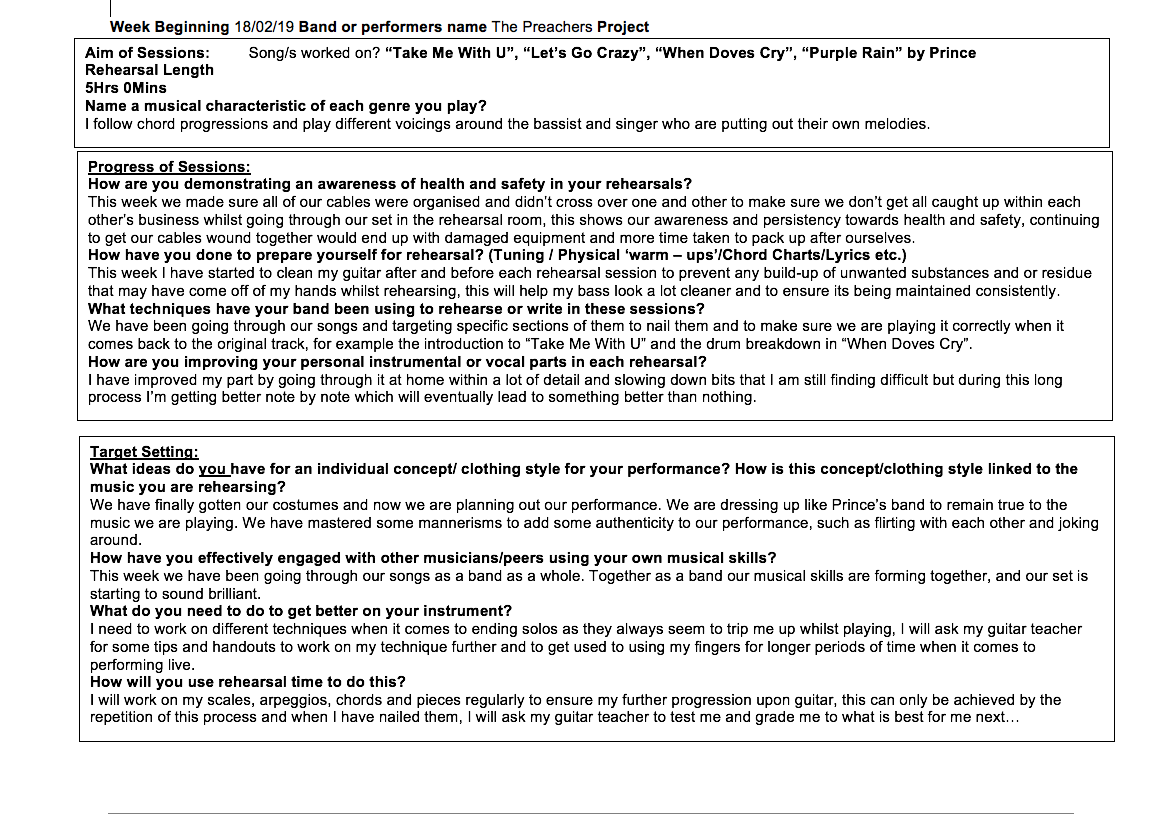
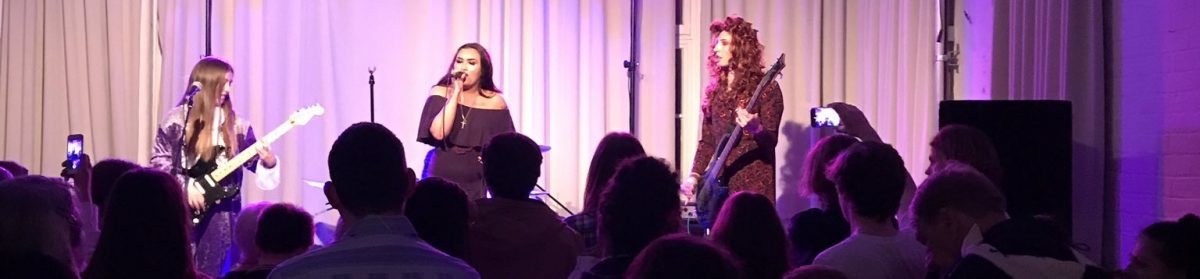
Rehearsal was a bit edgy, scrap everything that I’ve said previously about our brief. We are going to be playing four tracks, hopefully, off Prince’s ‘Purple Rain’ my only issue is getting some sick solos down with my pitiful confidence…
We worked on ‘Purple Rain’ today though, mainly getting the structure and the timings right which is always fun, we will continue to polish it tomorrow!
Most of my day consisted of D.I.S but I was practically lounging around waiting for rehearsal as I couldn’t think of anything productive.
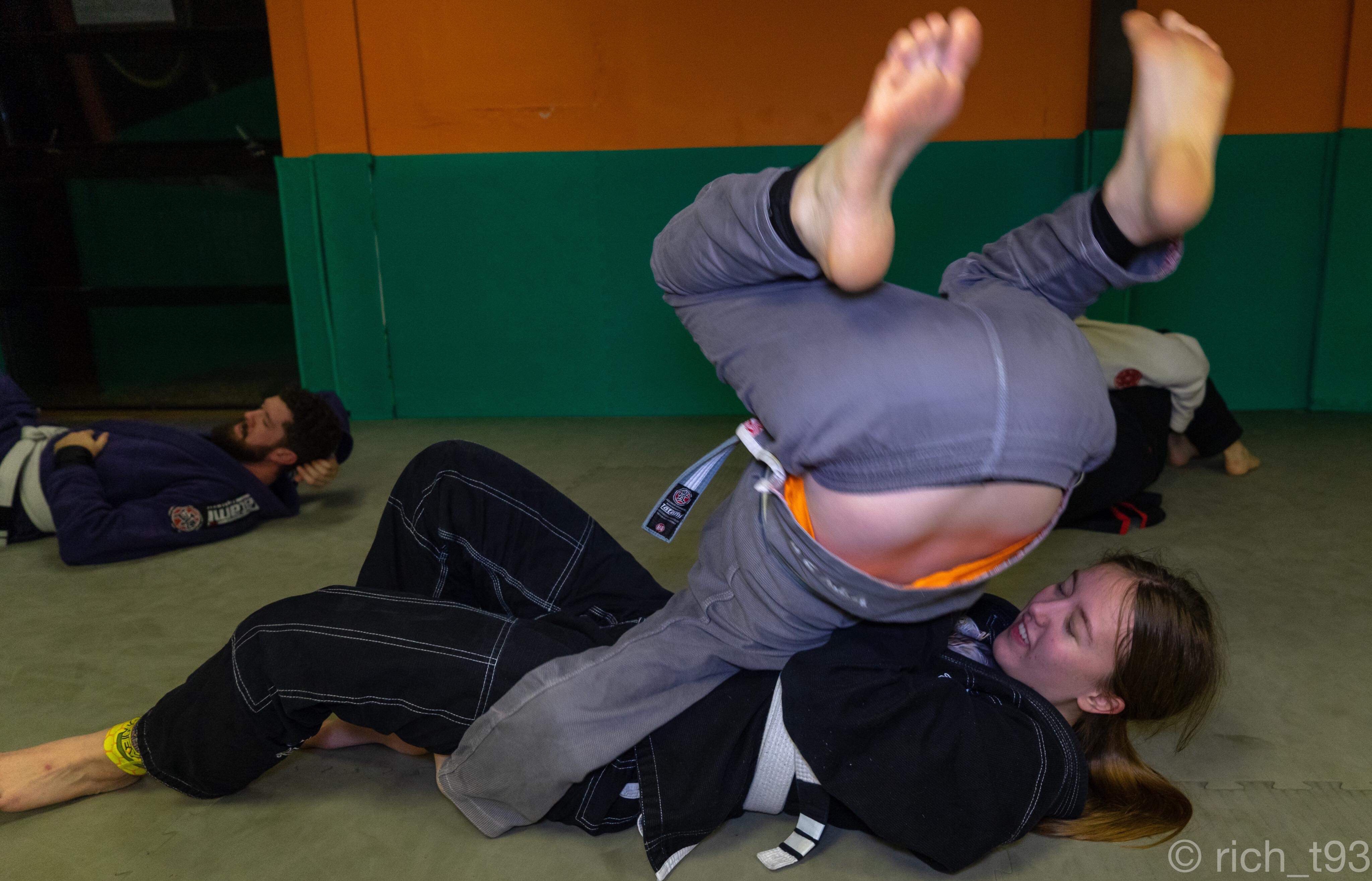
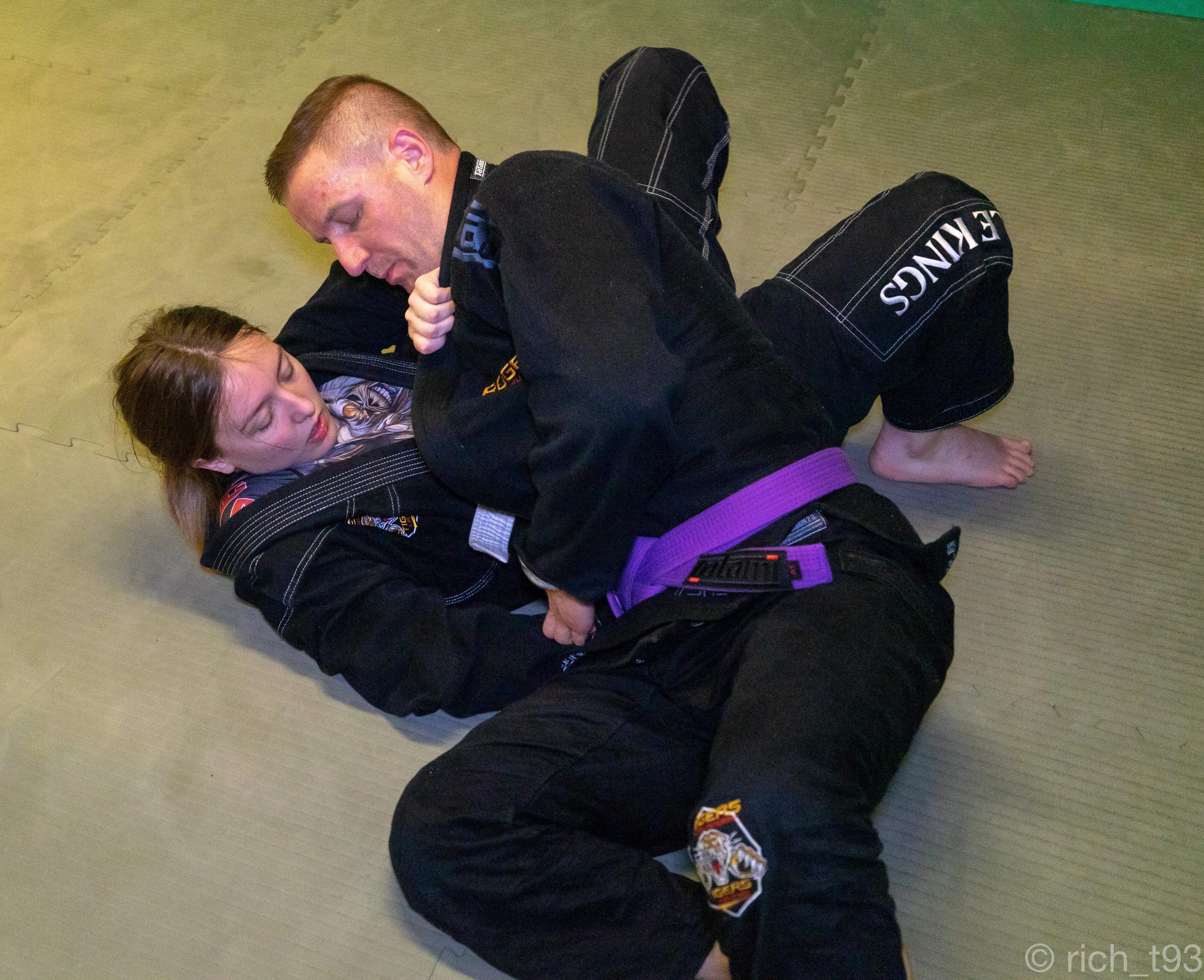
However I have pictures from my training at Brazilian Jiu Jitsu which are entertaining, here they are:
I slept in this morning, for a bit which I was proud of. I went in a little earlier than I wanted to, as soon as I got in I was greeted to an awful rehearsal.
When Tom finally turned up we did one song then he went until the end of the day when we had theory so that was nice, Millie had an issue in maths. So me and Lewis were left to discuss random stuff, mainly joking about in the corridor whilst a lot of drama went down, pretty pathetic if you ask me…
Me, Jack Gilder and Jack Dodd went to subway, that was the highlight of the day. I brought a sandwich and 12 cookies to share around, as you can see my life isn’t very eventful.
When we got back in we jammed some garbage, practically deafening each other for fun. Theory wasn’t theory again, doesn’t matter anyway because I’ve done my grade 1 and I’m slowly getting through 3 now..
Instead of doing Chris’ original idea for a brief we are going to choose a essential album and play four songs off it. I think the idea at the moment is doing some tracks off Pearl Jam’s ‘Ten’, I’m not the biggest fan but I can get behind anything with a kick to the head..
What can I say, today went slightly better than I was expecting. We have changed our style from Jazz to Funk which suits us better as a band, the only drive behind doing Jazz was that our lead singer wanted to try something new, but personally I don’t think she is up to it.
My band chose three songs to take a look at, ‘Redbone’, ‘Crazy’ and ‘Come Together’, I didn’t chose a song because I can’t see this brief going anywhere as like I said not everyone is capable do put in the sheer amount of work.
But to keep myself engaged for the rest of the day and rehearsal I decided that we play ‘Come Together’ as it is an enjoyable song and an age old classic. What we have came up with is very raw but has potential which we will expand upon at the end of the day before tutor.
I forgot to mention that Jason was ill today and that Chris was late in because he had to take his son for an emergency appointment to have his braces taken off which added to the ever growing productivity within our year group!
When Chris eventually made it in we went over the characteristics of different styles like Rock, Classical and Funk. So all the basic stuff that should have been taught in GCSE music and or picked up over time if you play an instrument.
Then it was lunch time, the best time, today I had a Carbonara which was bloody brilliant they have really out done themselves this time as I was buzzing for the rest off the day.
We went through ‘Come Together’ which is pretty tight now I got to say, so we made the group decision to summon Christopher to have a listen and he enjoyed it so that was the highlight of my day as we actually did something right.
Tutor was fun, we went through the matrix for the fourth time and spoke on how our work is going to be marked next week which is the most enjoyable time of our lives.
This morning the exam board (UAL) were in so the day was a bit chaotic from the get go. We were piled into the mac suite to finish up any work and then to put it up on our blogs, which I had already done over my time off so I was left sat chilling.
After the fun that was sitting about for an hour we finally got in the rehearsal rooms, which wasn’t very productive you can tell this by the tone I am going to be writing in..
For this term we have to choose a style that fits our band, like Rock, Soul, Funk and or Jazz, then take songs that aren’t in that genre and make them into it which in my eyes if fairly challenging for the line up in my band.
I don’t want to smack talk as I need to become comfortable playing guitar again which should come back by next week, well I’m hoping and counting upon it…
We have played around with the idea of being a jazz band, which I am going to put right in the clear will not work as no one has studied jazz theory or jazz in general, apart from me. The songs we tried just seemed incredibly empty and when I played ‘Arctic Monkeys’ in a jazz style/form everyone turned their noses up, so.
Rehearsal soon came to an end and then it was lunch which was pitiful, I had macaroni cheese so I was for-filled in that sense. But then it was sitting around hours again, I was loving it really because nothing is more satisfying than doing nothing. During this time others were talking to UAL which was cool, I am just going to sit back and wait for some solid recognition for the mass amount of work I do which sets me in to a manic depression if it isn’t to my standards.
Tomorrow we are going to start fresh and I am going to have to slave tirelessly figuring out new structures for the songs we have chosen and how it would potentially sound. I am going back training tonight so I am going to be in a great mood tomorrow morning and hurting all over as we are shark tanking the new guy because we are nice like that and he’s doing it for charity, his funeral really.
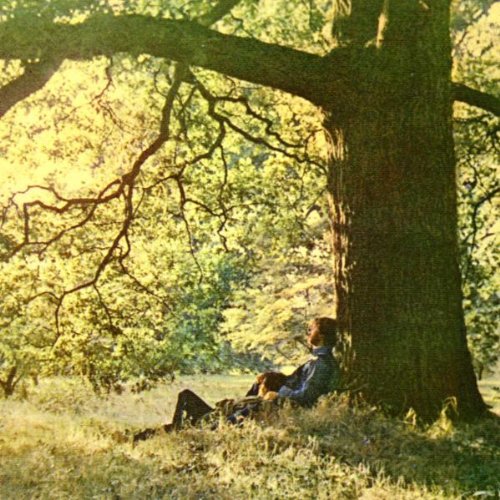
John Lennon/Plastic Ono Band
The first John Lennon solo album has had its fair share of acclaim. It was well-reviewed upon its initial release, and reached the top ten in both the US and UK, despite the absence of a major hit single on the album.
The album was released on the 11th of December 1970 and it is under the label called ‘Apple’ which was made famous by ‘The Beatles’ among many other loved artists.
The album lasts for a rough duration of forty minutes and it is definitely worth every second of it..
In the past 48 years since its release it has turned up in all those critics’ lists of best-ever albums, way below the most admired Beatles sets. I think it should be one of those albums that you grow to enjoy over time due to it being so raw.
But here’s what I think, the Plastic Ono Band is still grossly underrated in every way shape and form.
But in reality the Plastic Ono Band contains eleven of Lennon’s most accessible and gorgeous melodies and riffs; it’s pure craftsmanship, but with the layers of studio sophistry stripped away to reveal the heart of the album.
The heartbreaking scream of his personal loss is captured perfectly in ‘Mother’.
Starting with a sinister tolling bell which symbolizes the death of his mother when John was a teenager, the song suddenly enters a realm of raw and untamed prayer with choppy piano chords and bass notes along with Ringo’s steady drum beat.
Actually a cry to both parents (who Lennon pretty much grew up without), this ode to abandonment, the final lyric which is repeated nearly a dozen times with increasing intensity and dramatic effect helps set the mood for the rest of the album.
In contrast to the previous song, the bitter sweet and soft “Hold On” changes the tone entirely from the inner battle that has been going on forever to a hopeful mood of optimism and a open eyed look on life.
Musically, this is led by fantastic, jazzy tremolo guitar by Lennon.
We then finally return to the primordial scream, frustrated with the world material with ‘I Found Out’. Starting with heartfelt, raw blues as Lennon’s vocals mimicks his guitar riff, the song takes off when Voorman and Starr break in with upbeat rhythms, with the bass line being the true highlight of this dark but intricate tune.
Speaking of dark things, ‘Working Class Hero’ is a perfect solo folk performance where Lennon provides all at once a slightly profound anthem to the ‘regular guy’ and a bitch fest to suppress all hope of escaping to a better life, which we all know is impossible!
One of my personal favourites off the album would have to be Isolation it is a largely underrated classic as a great desperate ballad where Lennon’s vocal skills are at their best, well to me at least. A beautiful piano is upfront while the rhythm is very refined and laid back and everything is staggered (or “isolated” so to speak), eventually reaching a climaxing in a crescendo with exquisite timing..
With a consistent, hard driving beat and vocals methodically delivered with long dramatic pauses between each verse line, “Remember” is another gem from the heart of this deep, dark album.
During the well-spaced chorus sections the song briefly changes its direction with more standard, melodic rock timings. Lyrically, this song handles with remembering events of the past and how some memories are not that cheery but they still help you shape your today.
For the song’s climax, Lennon mentions “The Fifth of November”, a British holiday known as Guy Fawkes Night and celebrated with fireworks, hence the ending with a loud explosion, which catches me off guard every time..
‘Love’ is a very soft and sad ballad, which works well as a perfect counterbalance on this emotional album. Musically, the song features piano by Spector and a mellow, tender acoustic guitar by Lennon. This song was eventually released as a single in 1982, in the wake of Lennon’s assassination.
The weakest part of the album begins with ‘Well Well Well’, which is essentially a six minute filler that is not at all focused or anywhere nearly as interesting as the other raw, gritty tracks.
Aside from some interesting stomping and crunchy guitar riffs which are pretty meaty, this song has about as much merit as a prolonged conversation where no one says anything of any relevance. ‘Look At Me’ is another weak track in my eyes, at least it is a bit moody and melodic to say the lease.
The only song to predate The Beatles’ breakup, this song was written during sessions for the ‘White Album’ in 1968 and contains a finger-picked acoustic technique similar to that album’s ‘Dear Prudence’.
The album does recover perfectly with the philosophical closer called ‘God’, featuring Billy Preston on piano.
The song features a totally unique compositional formation with long, repetitive mid-section which works very well.
Here, Lennon blatantly declares what he believes in and (most prominently) doesn’t believe in, with a whole list of terrestrial idols culminating with The Beatles themselves which was very brutal..
This is then followed by the sad closing section where Lennon repeatedly declares “the dream is over”, ultimately addressing the elephant in the room to which all previous subjects have built towards, which is the heavy hit we all needed.
Much like the much loved classic ‘Abbey Road’ a year earlier, Plastic Ono Band ends with a song after the final song, in this case a low-fi demo of a brief diddy called ‘My Mummy’s Dead’, which needs no explanation..
The album reached Top 10 and spent several months in 1971 in the charts. Lennon followed up on the success of this album with ‘Imagine’, another self-confessional album which was another worldwide hit for Lennon.
 Ellie Thornton Music